

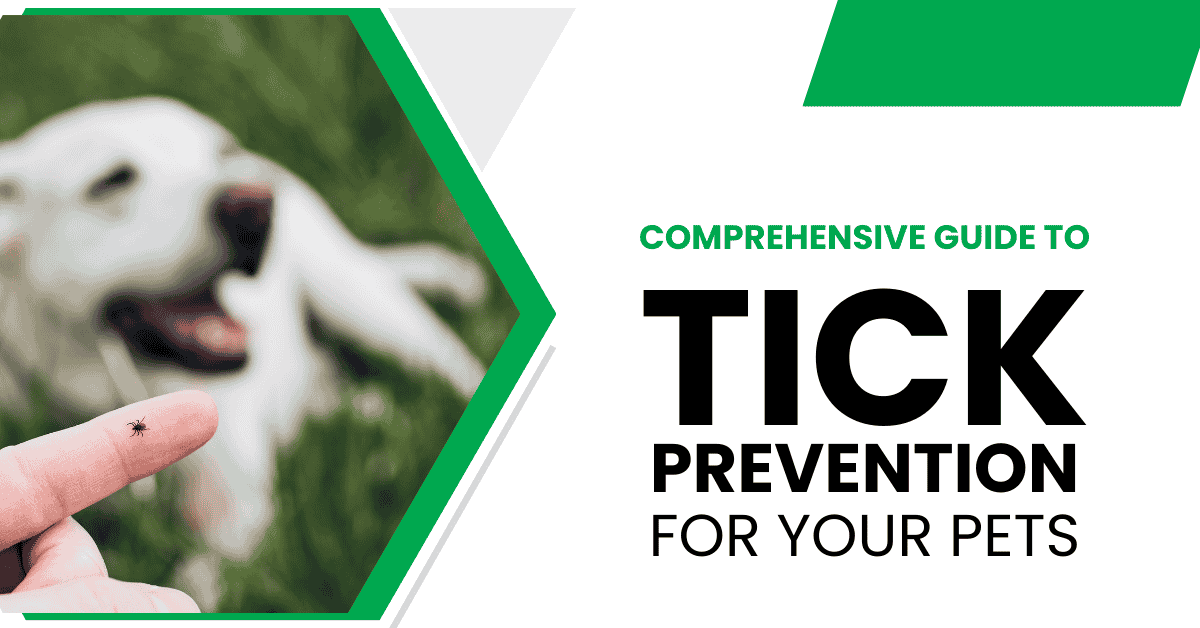
Ticks pose a serious threat to your pets, causing discomfort and potentially transmitting harmful diseases. With so many tick treatments available, choosing the best solution for your pet can be confusing and overwhelming. This comprehensive guide to tick prevention for pets offers practical tips and proven strategies to keep your pets protected. Whether you have a dog or a cat, learn the most effective methods for tick prevention and how to properly treat any infestations. From natural remedies to vet-approved products, we’ve got you covered!
Essential Tips for Keeping Your Pets Tick-Free and Healthy
For pet lovers, maintaining their furry friends' well-being is a vital commitment. One of the most overlooked health concerns for pets, especially during warmer months, is ticks. These tiny but dangerous parasites can cause a range of problems for pets, including skin irritation, infections, and serious diseases such as Lyme disease, babesiosis, and anaplasmosis. To keep your furry friends protected, tick prevention for pets is essential.
Identifying the Signs of Ticks on Pets
Before diving into tick prevention, it's essential to know how to recognize ticks if they latch onto your pet. Ticks come in various sizes and colors, but they are most noticeable when engorged with blood. Early detection can make tick removal easier and reduce the risk of disease transmission. Here are the common signs of ticks on pets:
- Lumps or bumps on the skin: When a tick attaches to your pet, it forms a noticeable bump. It can often be felt under the fur.
- Scabs or sores: Ticks can irritate the skin, leading to scabbing or red sores.
- Increased scratching or biting: If your pet is persistently scratching or biting at a specific area, there may be a tick present.
- Swollen lymph nodes: In some cases, ticks can cause swelling in nearby lymph nodes.
Regularly checking your pet’s coat and skin, especially after outdoor activities, is critical to finding ticks before they have a chance to transmit any diseases. If you notice any of these symptoms, inspect your pet more thoroughly to identify and remove any ticks.
Practical Solutions for Tick Removal on Dogs and Cats
Finding a tick on your pet is stressful, but removing it properly is essential to avoid further complications. Here’s how you can get rid of ticks safely:
- Use Tick Removal Tools: Invest in a tick removal tool, such as a tick spoon or tweezers. These tools allow you to remove the tick without leaving parts of it embedded in the skin.
- Grasp the Tick Properly: Pinch the tick close to the skin without squeezing its body, which could force harmful bacteria into your pet’s bloodstream.
- Pull Gently but Firmly: Use a slow, steady pull to remove the tick entirely. Do not twist or jerk it, as this can leave parts of the tick behind.
- Clean the Bite Area: Once removed, clean the bite area with antiseptic and monitor your pet for any signs of infection or illness over the next few weeks.
Even with proper removal, always keep an eye on your pet for symptoms of tick-borne illnesses. If you notice signs like fever, loss of appetite, or joint pain, consult your veterinarian immediately.
Effective Tick Prevention for Dogs and Other Pets
Now that you understand how to deal with ticks once they appear, let’s explore proactive strategies for tick prevention for dogs and pets in general.
1. Pet-Safe Tick Treatments
Using efficent, effective tick treatments is one of the best ways to prevent tick infestations. Pet owners frequently rely on these effective solutions:
- Topical Treatments: Products like Frontline, Advantage, and K9 Advantix offer long-lasting protection against ticks. These are applied directly to the pet's skin and kill or repel ticks.
- Oral Medications: Oral treatments like NexGard and Bravecto work by entering your pet’s bloodstream and killing ticks when they bite.
- Tick Collars: Collars like Seresto provide a convenient solution that kills and repels ticks for up to eight months.
- Shampoos and Sprays: If you prefer natural remedies, pet-safe tick shampoos and sprays that use essential oils such as eucalyptus and citronella can deter ticks.
Each product varies in how long it provides protection and whether it’s safe for different types of pets. Consult your vet before selecting a treatment to ensure it’s suitable for your pet’s breed, age, and health status.
2. Environmental Control
Ticks often inhabit areas with tall grass and dense foliage. To reduce the risk of ticks, take these steps:
- Mow the Lawn: Keep your yard well-maintained by mowing regularly to reduce tick habitats.
- Trim Trees and Bushes: Keep bushes and trees trimmed so ticks have fewer places to hide.
- Create Tick-Free Zones: Use mulch or wood chips to create barriers between your home and grassy areas.
By maintaining a tick-free environment, you reduce the chance of ticks coming into contact with your pet.
3. Natural Remedies
If you're looking for a natural alternative to traditional treatments, certain essential oils, when used correctly, can help keep ticks away. Essential oils like lavender, eucalyptus, and cedarwood can be effective repellents. However, it’s essential to dilute them properly and use them with caution, as they can be toxic to pets if not applied correctly.
4. Regular Check-ups
Even with preventative measures in place, routine vet visits are important. Your vet can provide tailored advice on tick prevention and help you monitor your pet for any issues that arise from tick exposure.
Protect Your Pets with Expert Tick Prevention
Tick prevention for pets doesn’t have to be complicated, but it does require dedication and consistency. By using the right products, monitoring your pet’s health, and maintaining a tick-free environment, you can reduce the risks and keep your pet happy and healthy. Always consult with your veterinarian to ensure you choose the best pet-safe tick treatment for your pet’s specific needs.
If you're looking for expert help in keeping your pets tick-free, contact us at Preston Pest Service. We specialize in comprehensive pest control services and offer tailored solutions to protect your pets from ticks and other harmful pests.
Get in touch with us today to ensure your pets stay protected and healthy all year round!


